Bubble Thick: A Whimsical Display Font for Modern Web Design
As a web designer, finding the perfect font to enhance your digital projects is crucial. Bubble Thick is a versatile and playful retro display font that can add a unique touch to your web designs, making them stand out in a crowded online space.
Visual Characteristics and Personality of Bubble Thick
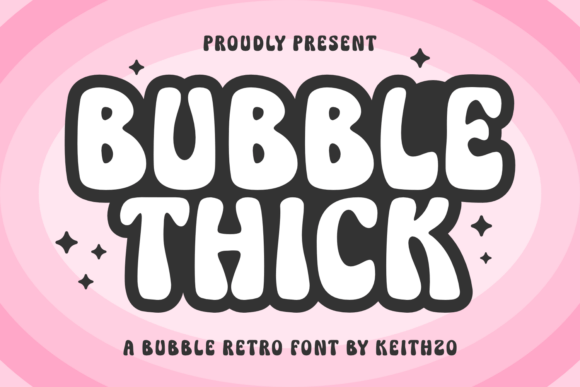
Bubble Thick is characterized by its bold, rounded shapes and a nostalgic, retro vibe. This typeface exudes a friendly and approachable personality, making it ideal for brands that want to convey a sense of fun and creativity. Its thick, chunky letters are not only visually appealing but also highly legible, even at smaller sizes.
Using Bubble Thick in Website Headers and Hero Sections
The bold and eye-catching nature of Bubble Thick makes it an excellent choice for website headers and hero sections. These areas are often the first point of contact for visitors, and using a font like Bubble Thick can immediately set the tone for the user experience. For example, a creative portfolio site or a boutique online store can use Bubble Thick to create a memorable and inviting entrance.
Enhancing Readability and Visual Hierarchy
While Bubble Thick is a decorative font, it still maintains a high level of readability, which is essential for any web design. When used in headings, it can help establish a clear visual hierarchy, guiding users through the content. For instance, you can use Bubble Thick for main headings and pair it with a clean, simple sans serif font for body text, ensuring a balanced and readable layout.
Bubble Thick in Call-to-Action Areas and Buttons
The bold and distinctive style of Bubble Thick can be particularly effective in call-to-action (CTA) areas and buttons. Using this font for CTA text can make these elements more noticeable and engaging, potentially increasing click-through rates. However, it's important to ensure that the font size and color contrast are sufficient, especially on mobile screens where space is limited.
Creating a Consistent Online Identity
Consistency is key in building a strong brand identity. Bubble Thick can be used across various digital touchpoints, from website headers to social media graphics, to create a cohesive and recognizable brand presence. For a coaching website or a product landing page, using Bubble Thick in the logo and throughout the site can reinforce the brand's personality and values.
Font Pairing and Typography Balance
To achieve a harmonious and professional look, consider pairing Bubble Thick with complementary fonts. A good rule of thumb is to balance the decorative nature of Bubble Thick with a more neutral, readable font for body text. For example, a modern sans serif like Helvetica or a classic serif like Garamond can provide a nice contrast and maintain overall readability.
Practical Tips for Mobile and Responsive Design
When using Bubble Thick in responsive designs, it's important to test how the font behaves on different devices and screen sizes. Ensure that the font size is large enough to be readable on small screens and that the line height and letter spacing are optimized for clarity. Additionally, consider using a fallback font for very small screens or low-resolution displays to maintain a consistent user experience.
Commercial Licensing and Usage
Before incorporating Bubble Thick into your web projects, it's essential to check the commercial licensing terms. Most premium fonts, including Bubble Thick, come with specific usage rights for websites, client projects, and digital products. Always verify that you have the appropriate license to use the font in your intended context, whether it's for a single project or multiple clients.
Final Considerations for Web Designers
In summary, Bubble Thick is a versatile and visually appealing display font that can significantly enhance the aesthetic and functionality of your web designs. By carefully considering its use in headers, CTAs, and other key areas, and by pairing it with complementary fonts, you can create a dynamic and engaging online presence. Remember to test and optimize for different devices and to adhere to proper licensing guidelines to ensure a seamless and legally compliant design process.